About Sangla Holi & Spiti Valley
🎭 The Sangla Holi (Fagli Festival)
Celebrating Holi in Sangla Valley (Kinnaur district) is a rare cultural experience that differs significantly from the rest of India. In the mountains, it is often referred to as Fagli or Faguli and marks the end of winter and the arrival of spring. It combines elements of Holi (colors) and Diwali (lighting of diyas/lamps). Villagers dress up as characters from the Ramayana and lead musical processions throughout the valley. Since March is still cold in the Himalayas, it is common to play with a mix of dry colors (Gulal) and actual snow. A traditional masked dance performed by men in the temple courtyards and village squares to the beat of drums and trumpets. People share Totu (made of buttermilk and roasted barley) and a special local grape/fruit wine called Phasur.
🏔️ Combine with a Spiti Valley Trip
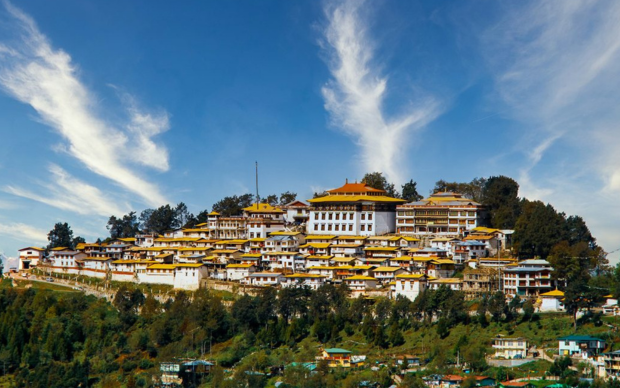
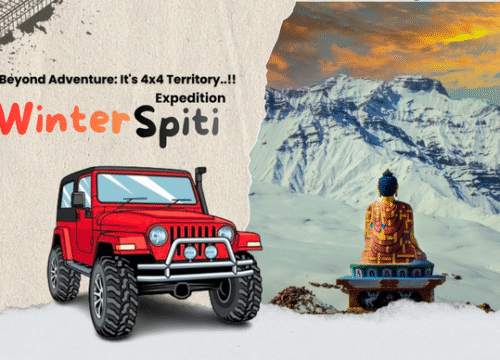
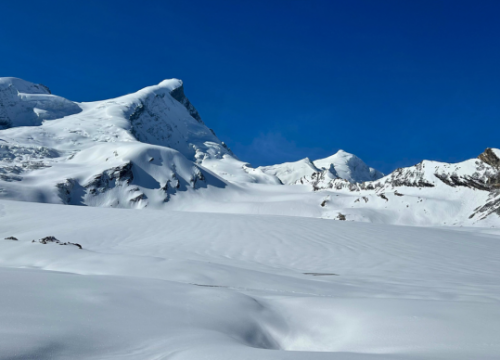
A Winter Spiti Tour offers a surreal experience, where adventure meets tranquility. This remote Himalayan valley transforms into a snow-laden wonderland, unveiling a side of Spiti that is untouched, serene, and captivating. Traveling through Spiti in winter is a journey of stunning landscapes, frozen rivers, and charming villages nestled in snow. Witness the pristine beauty of snow-blanketed mountains and frozen lakes. Explore traditional Spitian villages like Kaza, Tabo, and Kibber, with vibrant monasteries and warm hospitality. Visit Key Monastery and Dhankar Monastery, draped in snow, and soak in spiritual vibes. This journey promises a unique blend of nature, culture, and adventure, making it a dream destination for offbeat travelers and winter lovers!
Overview
Tour Type : Sangla Holi Festival
Duration : 09/ 10 Days
Start & End Point: Delhi
Region : Spiti Valley, Himachal Pradesh
Grade : Moderate (Road Trip )
Fixed Departure Dates: 26th Feb to 07th March 2026
Highlights of the Sangla Holi Celebration
- The Masked Dance (Phagli): Watch men in traditional attire and monster-like masks perform ancient dances in temple courtyards to drive away winter spirits.
- Snow & Gulaal: Since the valley is often snow-clad in March, you play with dry organic colors mixed with actual snow.
- The Ramayana Skits: Locals perform street plays depicting scenes from the Ramayana, accompanied by the hypnotic beat of Himachali drums and trumpets.
- Phasur & Totu: Taste the local grape wine (Phasur) and the ritualistic offering (Totu) made of roasted barley and buttermilk.
🏔️ Highlighys of Winter Wonderland Landscapes
- Chitkul (India’s Last Village): At 11,320 ft, this is the last inhabited village on the Indo-Tibetan border. In March, it’s a pristine white paradise with the frozen Baspa River flowing beside it.
- Khab Confluence: Witness the dramatic meeting of the emerald Sutlej and the turquoise Spiti rivers amidst brown, rugged mountains.
- Frozen Waterfalls: En route to Kaza, you’ll see massive waterfalls frozen into giant ice curtains.
- Key Monastery: Perched on a conical hill, this fortress-like monastery looks surreal when covered in snow. You can often share butter tea with the resident monks.
- Tabo (The Ajanta of the Himalayas): A UNESCO World Heritage site over 1,000 years old, housing ancient murals and frescoes preserved in mud-brick structures.
- Hikkim: Send a postcard to your loved ones from the World’s Highest Post Office.
- Langza: Home to the giant Golden Buddha statue that overlooks the valley against the backdrop of the Chau Chau Kang Nilda peak.
- Tranda Dhank: Drive through the famous “half-tunnel” roads of Kinnaur, where the road is literally carved into a vertical cliff face.
- Chicham Bridge: Walk across Asia’s highest suspension bridge, suspended 13,500 ft above a deep gorge.